Cleaning & Maintenance
How to Clean & Maintain Your Vaporizer: Make Your Heater Last a Year
Feb
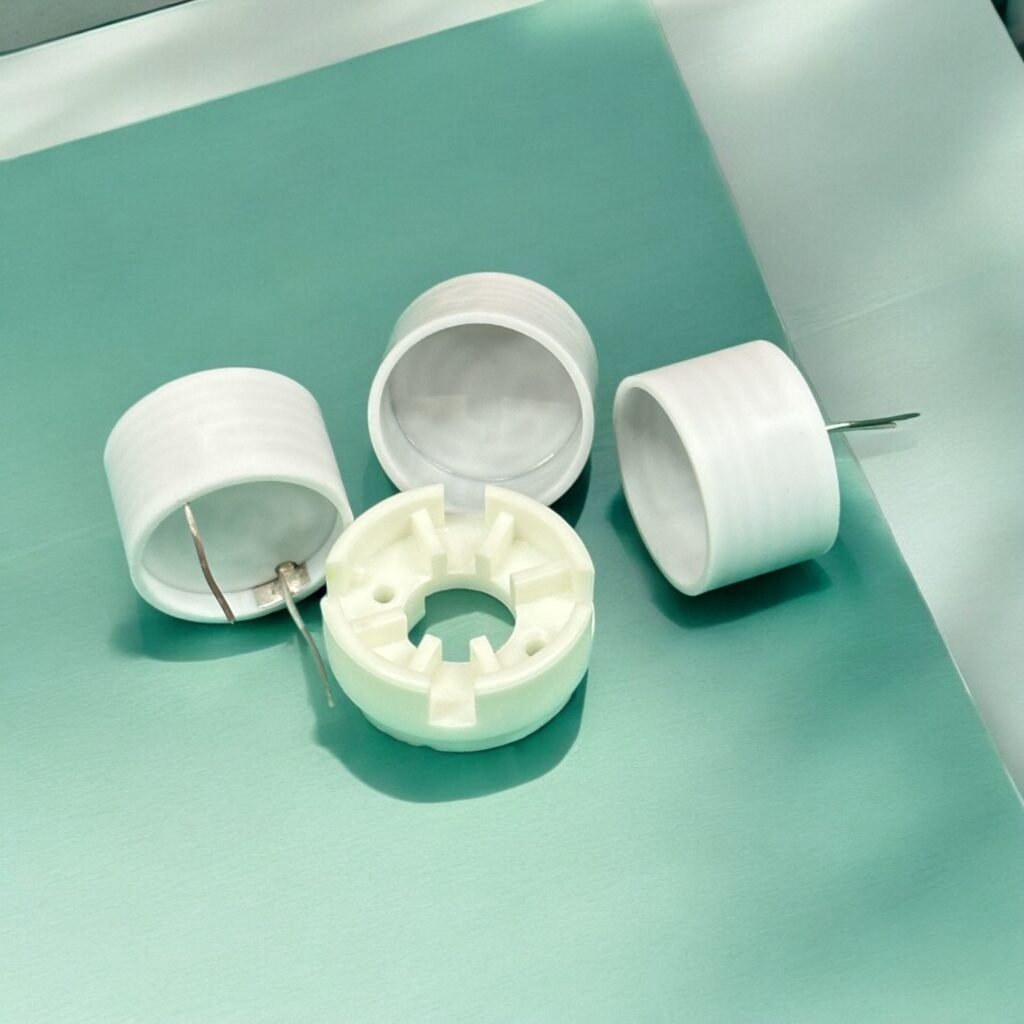
Most burnt coils are not dead. They are dirty. Whether you run a dab rig, a wax pen, a dab pen, a 510 atomizer or a desktop unit, the part people throw away is usually the part that needed ten seconds of cleaning. We hear it constantly: someone buys a replacement heater thinking theirs is done, when all it needed was a burn-off. That is money spent and a device tossed with months of life left in it.
Here’s the truth from someone who’s been building and teaching people about these devices for years: a single heater can last a full year of daily use — multiple sessions per day — if you follow a few simple maintenance steps. We’re talking about a V5 rebuildable heater or a XL Deluxe Core eRig heater running strong for 12 months before you even think about swapping anything out.
This is the guide I’d give you if you were standing right here. No fluff — just the cleaning habits that actually matter, in the order they matter.
🧽After Every Session: The Warm Q-Tip Wipe
This is the single most important habit you can build. It takes ten seconds, and it’s the difference between a heater that lasts three months and one that lasts a year.
After every session — while the cup is still warm — grab a dry cotton Q-tip and wipe the inside of your crucible. The warmth keeps the residual oil soft so it lifts right off. Then give a quick wipe to the mouthpiece or slide while it’s still warm too. That’s it. Ten seconds.
- Finish your session. While the cup is still warm (not hot, not cold — just warm), grab a dry Q-tip.
- Wipe the inside walls and bottom of the crucible. The warm oil lifts right off.
- Rotate the Q-tip as you go so you’re always wiping with a clean section.
- Give the mouthpiece or slide a quick wipe while warm too.
- If the first Q-tip comes out dirty, grab a second one and repeat.
That’s the everyday routine — just a dry Q-tip while warm. You don’t need alcohol for this step. The warmth does the work. If you want to use an alcohol-dipped Q-tip it won’t hurt anything, but it’s overkill for daily maintenance. Save the alcohol for when you’re doing a deeper clean on metal parts or glass.
This prevents the gradual buildup that eventually degrades your heater, chokes airflow, and ruins flavor. Think of it like wiping down a pan after cooking — small effort, massive payoff over time. A good dab tool set helps you manage your loads cleanly, which reduces residue in the first place.
If you’re using a SiC (silicon carbide) insert, this step is even easier — the polished surface is practically non-stick, and a dry Q-tip while warm handles almost everything.
Important: the alcohol wipe is for the cups and metal parts only. NEVER use alcohol on your coils or lead wires. Moisture and alcohol can damage wire connections. The coils get cleaned a different way — burn-off cleaning, covered below.
🔥Burn-Off Cleaning: How to Clean a Burnt Coil Without Replacing It
This is the technique most people don’t know about, and it’s the single biggest factor in how long your heater lasts. If you only take one thing from this entire guide, let it be this: burn-off cleaning every few weeks will dramatically extend the life of your heater cups.
You run the heater at elevated wattage with nothing loaded — no concentrate, no material. The high heat carbonizes any built-up residue that’s accumulated in the cup, turning sticky baked-on gunk into dry ash that wipes away with a Q-tip in seconds.
Concentrate residue builds up in layers over time. Left alone, it bakes harder with each session until it interferes with heat transfer and degrades the heater. Burn-off cleaning uses the heater’s own power to reduce that buildup to ash. It’s essentially a self-cleaning oven cycle for your vaporizer.
- Make sure the crucible is empty. Remove any SiC insert if you use one — you’re cleaning the heater cup itself.
- Set your mod to 38 watts. Any mod that can do 40W works. We recommend starting at 38W.
- Hold the unit upside down. This is the key technique — holding it inverted allows all the melted resin to drain out of the air holes and back onto the hot cup surface where it burns off. If you hold it right-side up, the resin just pools and doesn’t clean properly.
- Fire the heater and let it run for 2-3 minutes continuously while holding it upside down. The high heat carbonizes the residue as it drains onto the cup.
- Let it cool completely. Don’t rush this — let it come all the way back to room temperature.
- Swab the inside with a dry Q-tip. The carbonized residue lifts off as fine dry ash.
- If any spots remain, repeat the cycle — fire at 38W upside down for 2-3 minutes, cool completely, wipe again. Repeat until the cup is completely clean.
Do this every two to three weeks with daily use. If you’re a heavy user — multiple sessions per day — you might want to do it weekly. This is how people get a full year out of a single V5 heater. Not by babying it, but by spending a few minutes every few weeks to keep it clean.
Note: burn-off cleaning works for both your heater cups and ceramic spacers. Your coils with lead wires don’t need this — they clean themselves during the burn-off process since the wire is what’s generating the heat.
🕯️Torch Cleaning Removable Parts (During Full Rebuilds Only)
When you’re doing a complete rebuild — swapping out coils, replacing cups, the full teardown — that’s when you can torch clean your removable parts: SiC inserts, quartz inserts, titanium parts, and ceramic spacers.
Important: NEVER torch any cup that has a heater coil embedded in it — like the v5 heater cup or Core heater cup. Those have delicate coil wires built into the ceramic. Direct flame will destroy them. Heater cups with embedded coils are always cleaned with burn-off cycles using your mod only.
- Fully disassemble the device and separate the ceramic parts (spacers, housing).
- Using a small torch or lighter, heat the ceramic piece until any residue burns off completely. Ceramics can handle high heat — that’s what they’re made for.
- Let them cool completely before reassembling.
You don’t need to do this during routine maintenance. This is strictly for full rebuilds when you’re replacing coils or cups and want everything fresh. The heat burns off any buildup that’s accumulated in places the Q-tip can’t reach.
🚫What Never Gets Alcohol: Coils, Atomizers and Electronics
This is critical. Not every part of your device should be cleaned the same way.
No alcohol. No water. No moisture of any kind. The lead wires are delicate, and moisture can damage the connections and compromise the coil. Coils stay clean through burn-off cleaning only.
No mod boxes, no control units. Keep iso away from anything electronic.
Never expose to isopropyl alcohol or any liquid.
🔧Metal Parts: Occasional Alcohol Wipe
Your steel tops, slides, metal caps, and dab tools can be wiped down with an alcohol-dipped Q-tip when buildup is noticeable. This doesn’t need to happen every session or even every week — just when you can see or feel residue building up on metal surfaces. A quick wipe and they’re good.
⭕O-Ring Care: The Vegetable Oil Secret
O-rings create the airtight seals that make your vaporizer function properly — without them, you lose suction, vapor escapes, and the whole experience suffers. O-rings need regular maintenance.
Dry O-rings crack. Cracked O-rings leak. And once they start leaking, people assume something is broken when all they needed was a drop of oil.
Food-safe vegetable oil. Coconut oil, olive oil, avocado oil — whatever you have in your kitchen. A tiny amount goes a long way. Some people prefer coconut oil because it’s solid at room temperature and easy to apply, but any food-grade vegetable oil works perfectly.
Remove the O-ring from the device. Put a tiny amount of oil on your fingertip — a thin film, not a glob. Roll the O-ring between your fingers, working the oil into the entire surface. Wipe off any excess. The O-ring should look slightly glossy, not dripping. Reinstall and reassemble.
Monthly is a good default schedule. Any time you feel resistance or stiffness when assembling your device — that friction means the O-rings are drying out. After any alcohol cleaning — iso strips oils from rubber, so always re-lube O-rings after they’ve been exposed to alcohol.
This keeps the rubber supple, prevents cracking, and maintains the airtight seal your device depends on. If your O-rings do eventually wear out, we sell replacement O-rings for any device — just tell us which ones you need in the checkout notes.
🫧Glass Cleaning: Dab Rig, Bubbler and Slide
Glass tops, HydraTubes, and bottomless bangers accumulate residue over time. Cloudy glass restricts airflow and affects flavor.
- Remove the glass piece from your device.
- Pour a small amount of isopropyl alcohol inside and shake to rinse.
- Use a Q-tip dipped in alcohol to clean any reachable surfaces.
- Rinse thoroughly with warm water and let dry completely before use.
- Pour a tablespoon of coarse salt into the glass piece.
- Add enough isopropyl alcohol to fill halfway.
- Cover the openings and shake vigorously for 30-60 seconds. The salt acts as a gentle abrasive.
- Rinse thoroughly with warm water until all salt and iso are gone.
💠SiC Insert Care
If you’re using a polished SiC (silicon carbide) insert, you’ve chosen the easiest crucible material to maintain. The polished surface is practically non-stick.
Dry Q-tip swab while warm handles 90% of cleanup.
Wipe with an alcohol-dipped Q-tip.
Torch clean it. Remove the insert from the device, hit it with a small torch until the char burns away completely, and let it cool. This works for SiC inserts, quartz inserts, or any removable insert. The torch gets everything alcohol can’t.
SiC is one of the best upgrades for both flavor and ease of maintenance. It heats evenly, preserves terpenes, and cleans up with almost no effort. And when it does get stubborn buildup, a quick torch clean brings it right back to new.
📅Cleaning Schedule: Quick Reference
| Task | Frequency | Time |
|---|---|---|
| Dry Q-tip wipe cup + slide while warm | After each session | 10 seconds |
| Burn-off cleaning (38W, 2-3 min) | Every 2-3 weeks | 5-10 minutes |
| Wipe down metal parts | As needed | 2 minutes |
| O-ring inspection and lube | Monthly / after alcohol cleaning | 1-2 minutes |
| Glass deep clean | As needed | 5 minutes |
| Torch clean removable parts (SiC, quartz, Ti, spacers) | During full rebuilds only | 5 minutes |
♻️Is Your Atomizer Dead, or Just Dirty?
With proper maintenance, you’ll be surprised how rarely you need replacements. Here are the real signs a ceramic cup is done:
- Visible cracking in the ceramic — not staining, actual cracks.
- Discoloration that won’t clean even after multiple burn-off cycles.
- Resistance readings significantly off from where they started and burn-off doesn’t fix it.
- Uneven heating that produces inconsistent vaporization.
With daily Q-tip wipes and burn-off cleaning every few weeks, a ceramic heater should give you 6 to 12 months of daily use before any of these show up. That’s hundreds of sessions from a single heater.
When it is time: replacement ceramic cups are $10, and V5 spare parts kits are $4. You’re swapping a single component, not buying a new device. That’s what rebuildable means.
❓Common Questions
Why does my wax pen or dab pen taste burnt?
Residue baked onto the cup, almost always. Concentrate builds in layers and each session cooks the previous one harder until it scorches instead of vaporizing. Run a burn-off before you assume the coil is finished.
Can you clean a burnt coil, or is it done?
You can clean it, and most of the time that fixes it. A charred cup comes back with a burn-off cycle at 38 watts for two to three minutes held upside down, cooled completely, then wiped with a dry Q-tip. Repeat the cycle if any spots remain.
How often should I do a burn-off?
Every two to three weeks with daily use. If you run multiple sessions a day, weekly. This is the single habit that separates a heater that dies in three months from one that lasts a year.
Can I use isopropyl alcohol on a coil or atomizer?
No. Never put alcohol or any moisture on coils or lead wires, and keep it away from electronics and batteries. Alcohol is for cups, metal parts and glass only. Coils get cleaned by burn-off, nothing else.
How long should a coil or heater actually last?
Six to twelve months of daily use with a dry Q-tip wipe after each session and a burn-off every few weeks. That is hundreds of sessions from one heater.
Is my atomizer dead or just dirty?
Dirty, unless you can see actual cracking in the ceramic, discoloration that survives multiple burn-off cycles, resistance readings well off where they started, or visibly uneven heating. Staining alone is not failure.
🛠️Why We Build Rebuildable Devices
There’s a reason every Divine Tribe device is fully rebuildable and user-serviceable. The V5, the XL Deluxe Core eRig, the XL Deluxe Core eRig — every device we sell is built so you can take it apart, clean it, replace individual components, and keep using it.
For the cost side of the same argument, what it costs to keep a vaporizer running puts a number on it. A non-rebuildable device charges you $75 to $100 for the same failure, because the heating element is not sold on its own.
Like this? Make Divine Tribe a preferred source on Google.
